
U.S. commercial involvement in Syria’s energy sector is no longer limited to interest in investment opportunities. It has advanced to different stages of operations, contracting, and negotiations, with significant differences in the level of implementation among American companies.
While HKN Energy has announced the start of operations in oil fields in northeastern Syria, according to an Al-Monitor report published on October 29, 2026, ConocoPhillips has signed an agreement to develop natural gas fields, although the company does not expect a material impact on its business results during 2026. Meanwhile, Chevron remains in discussions aimed at converting a memorandum of understanding into an implementation agreement for offshore exploration.
Announced Operations in Eight Oil Fields
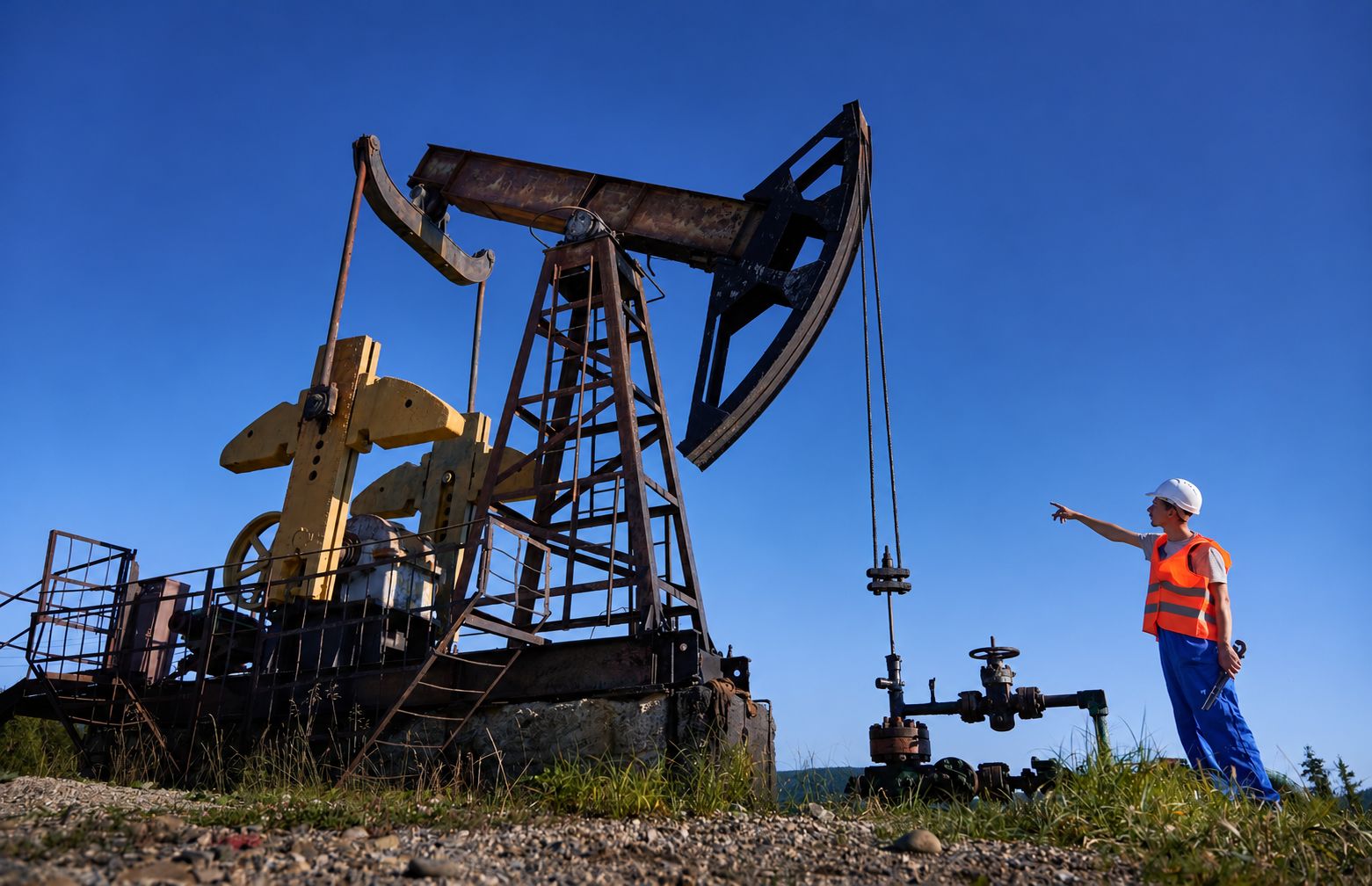
HKN Energy appears to be the most advanced of the three companies in terms of its reported operational activity. According to an Al-Monitor report published on October 29, 2026, the company began operations in eight oil fields around the Rmeilan area of northeastern Syria under a 25-year agreement with the Syrian Petroleum Company.
HKN operates in partnership with Qatar-based UCC Holding while retaining its role as the project’s operator.
This development places the company at a different stage from those still negotiating implementation terms or project development. However, the commencement of operations does not necessarily establish that a specific increase in production has been achieved or that the rehabilitation of the fields has been completed.
HKN Energy’s official website identifies its concession area as approximately 1,189 square kilometers and lists eight fields: Suwaydiyah, Rmeilan, Alyan, Karachok, Sazaba, Laylak, Hamza, and Al-Awda. The company states that it operates the fields under a 25-year production-sharing agreement.
On August 4, 2026, the Syrian Arab News Agency (SANA) reported that HKN had presented plans to gradually increase production toward a target of approximately 200,000 barrels per day, alongside projects to rehabilitate the fields.
Gas Development Agreement Without a Material Impact Expected in 2026
In natural gas, ConocoPhillips represents a contractual arrangement distinct from HKN’s reported operational activities.
In its official filing with the U.S. Securities and Exchange Commission (SEC), published on November 5, 2026, ConocoPhillips acknowledged signing an agreement in June of the same year, alongside another operator not identified in the filing, with the Syrian government and the Syrian Petroleum Company to develop certain natural gas fields and increase production.
ConocoPhillips stated that it does not expect the agreement to have a material impact on its business during 2026. This assessment relates specifically to the company and does not constitute an evaluation of the agreement’s potential economic impact on Syria.
On June 16, 2026, SANA reported that the Syrian Petroleum Company had signed an agreement with ConocoPhillips and Novaterra to develop several natural gas fields and increase production from existing sites.
According to Asharq Al-Awsat, Mohammad Nour Al-Ahdab, media relations director at the Syrian Petroleum Company, stated on June 18, 2026, that the Syrian side would receive a 56% share under the agreement signed with ConocoPhillips and Novaterra, while the two investing companies would jointly receive 44%.
He explained that the agreement includes stages for developing existing fields, rehabilitating operational infrastructure, and gradually increasing production, with the possibility of subsequently expanding into additional development and exploration activities, subject to technical and contractual approvals.
However, the statement did not provide published details regarding the accounting basis for these percentages, the value of capital investments, or the cost-recovery mechanism. These elements remain necessary for assessing the agreement’s actual economic returns.
Chevron: A Memorandum of Understanding Not Yet Converted Into an Implementation Agreement
In offshore energy, Chevron’s involvement in Syria has reached a negotiation stage more advanced than a simple expression of interest. However, available information does not establish that exploration operations have begun.
On November 19, 2026, SANA reported that officials from the Syrian Petroleum Company and a Chevron delegation discussed converting a memorandum of understanding signed in February of the same year into an implementation agreement concerning exploration in Offshore Block 1.
The memorandum of understanding also included Power International Holding, making it necessary to identify the parties and the scope of their respective obligations when evaluating the project.
Nevertheless, discussions about converting the memorandum into an implementation agreement do not amount to the signing of a final contract. Nor do they establish that drilling has begun, new reserves have been discovered, or commercial production has been achieved.
The project’s current status therefore remains dependent on the outcome of negotiations and any subsequent official announcement confirming a transition to implementation.
Regulatory Opening Does Not Mean the Removal of All Restrictions
The development of these projects coincides with changes in the U.S. regulatory framework concerning Syria. However, regulatory opening does not mean that all restrictions affecting commercial activity have been eliminated.
The United States ended its comprehensive sanctions on Syria effective July 2025, and the Caesar Act was repealed in December of the same year. Nevertheless, targeted restrictions and compliance obligations involving designated parties remain in place, according to guidance issued by the U.S. Treasury Department’s Office of Foreign Assets Control (OFAC).
Export controls governing goods and technologies destined for Syria, administered by the U.S. Department of Commerce’s Bureau of Industry and Security (BIS), also remain relevant in determining whether certain activities may proceed and under what licensing conditions or exceptions, despite the measures introduced in September 2025 to facilitate exports.
What Do These Developments Mean Economically and Politically?
The three projects illustrate different levels of American commercial involvement in Syria’s energy sector. However, available information does not yet provide a consistent basis for measuring actual investment expenditures or increases in oil and gas production.
Nor is the publicly available information sufficient to establish the final terms of revenue sharing, resource ownership, or the scale of benefits that may reach local communities, particularly in northeastern Syria, where resource management is closely connected to governance, local stability, and relations among the parties involved.
The significance of these projects extends beyond commercial opportunities for American companies.
They also provide a basis for examining the relationship between changes in U.S. regulations and measurable economic activity, companies’ exposure to operational, contractual, and compliance risks, and the implications of resource management for stability in producing regions.
The most important indicators for continued monitoring include the signing of implementation agreements, the commencement of technical activities, publication of production volumes, disclosure of actual investment expenditures, and confirmation of implementation timelines.